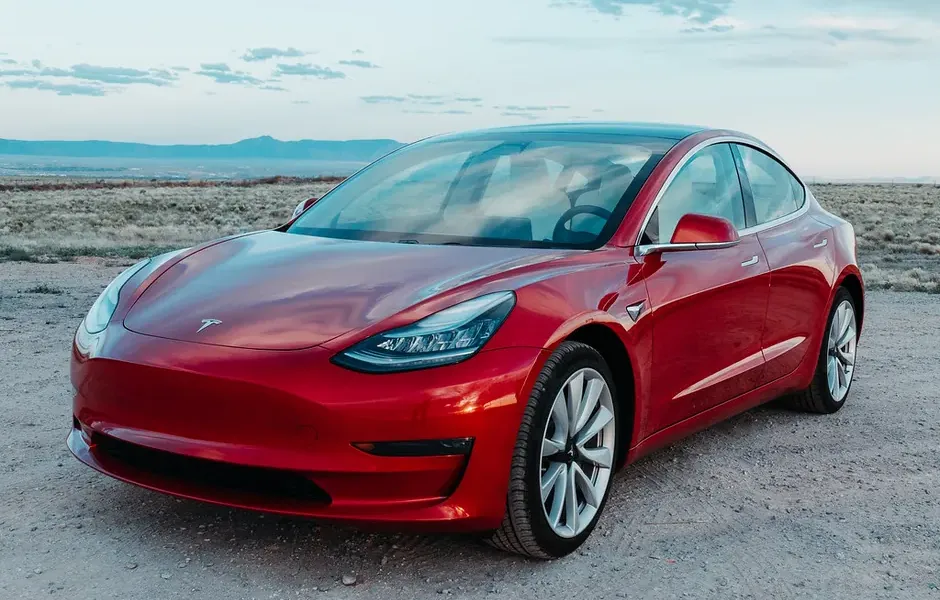
The Tesla Model 3 is the most common electric vehicle in Atlanta by a significant margin. On any stretch of I-285 or in a Midtown parking structure, you will count more Model 3s than any other single EV. That volume shows up at our shop at 510 Glen Iris Dr NE regularly, and because we handle these jobs frequently, we have a very clear picture of where they go right and where they go wrong.
The camera cluster and what it means for replacement
Three forward-facing cameras are mounted in a housing behind the Model 3’s rearview mirror, at the top center of the windshield. Tesla refers to this as the camera pod. A narrow-angle camera handles longer-range detection at highway speeds. A main camera covers the primary forward driving range. A fisheye lens handles short-range and proximity awareness. All three cameras look through the windshield glass continuously.
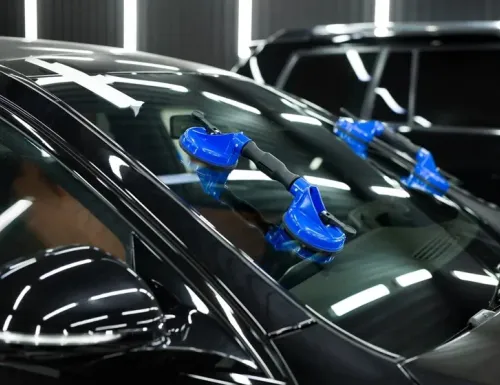
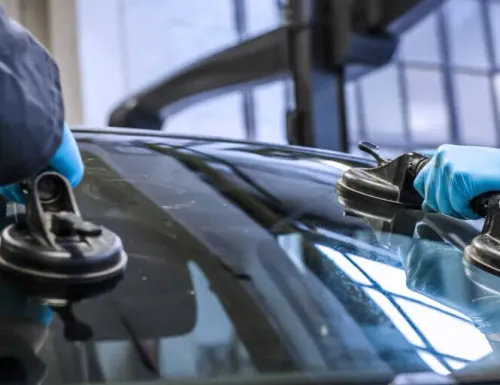
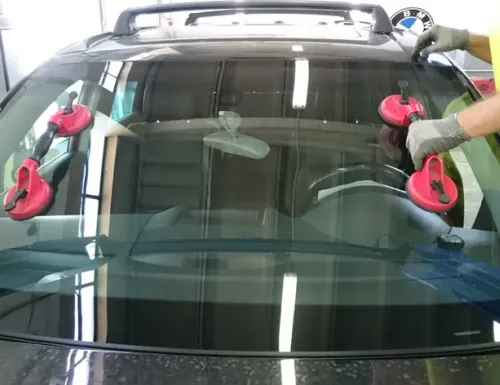
When the windshield is replaced, two things have to happen correctly beyond just installing glass. First, the camera pod must be reinstalled at the correct position and angle — even a slight tilt introduces calibration error. Second, the replacement glass must have the correct optical properties in the camera zone. An aftermarket pane with a different refractive index in the interlayer, or even a subtle warp in the glass near the camera housing, can cause the system to reject calibration.
After every Model 3 windshield replacement, we do a static calibration check in-shop: camera mount position verified, sensors confirmed reconnected. Then the vehicle runs a dynamic calibration phase on the road. The Model 3’s cameras use lane markings, road edges, and reference objects encountered in normal traffic to fine-tune their angular values. This takes 25 to 50 miles of driving, sometimes more, before the system declares itself done. Autopilot, lane-keeping, and Traffic-Aware Cruise are restricted during this window.
This is designed behavior. The vehicle is not broken. We explain this to every Model 3 owner before they drive away, because the experience of Autopilot being unavailable for the first 30 miles after a windshield job is jarring without that context.
Acoustic glass: why the wrong replacement is noticeable immediately
Model 3 owners frequently describe the cabin as remarkably quiet at highway speed, noticeably quieter than many conventional sedans that cost more. A significant part of that comes from the windshield. Tesla specifies an acoustic PVB interlayer — polyvinyl butyral, the layer between the two glass sheets — that is thicker and more sound-absorbing than standard laminated auto glass.
In a gasoline vehicle, a windshield replacement that uses a thinner or lower-grade interlayer typically goes unnoticed because engine noise, exhaust, and road hum fill the cabin and mask any increase in wind noise. In a Model 3, there is no such background noise to hide it. A highway speed wind whistle from a replaced windshield with the wrong acoustic spec is immediately obvious and tends to be a source of real frustration.
We have had Model 3 owners come to Midtown Glass Atlanta specifically because a prior replacement left them with wind noise the car never had. In nearly all of those cases, the prior shop used an unverified aftermarket pane with a thinner interlayer.
Model 3 glass from reputable suppliers is reliably available and well-specified. The Model 3’s production volume is high enough that established aftermarket suppliers have invested in matching Tesla’s acoustic spec properly. This is an advantage the Model 3 has over lower-volume models like the S or X: the glass supply chain is mature and quality control at good suppliers is consistent.
When a chip can be repaired versus when it needs replacement
Not every chip on a Model 3 windshield requires glass replacement. A chip under roughly one inch that sits away from the top-center camera zone and not at the glass edge is a good candidate for resin repair. The process involves vacuuming the damaged area, injecting clear resin under pressure, and curing with UV light. A well-executed repair stops the chip from spreading and restores structural integrity without replacing the full pane.
The location matters more than the size. If a chip sits in the camera field of view — the upper portion of the windshield around the mirror housing — replacement is the right call even for a small chip. A resin-filled chip in the camera zone can leave enough residual optical distortion to produce calibration errors. The camera system is sensitive in ways the human eye is not.
Edge chips are also trickier. A chip at the glass edge sits in the frame channel, where effective resin injection is difficult, and these chips spread more aggressively because the glass edge has less structural support from surrounding material.
Atlanta’s summer heat adds urgency. A chip that feels stable in April can spread visibly within two or three days once July sun is loading the glass in a surface parking lot. If you spot a chip, getting it assessed promptly is genuinely worth a trip. Check our windshield repair vs replacement guide for a full breakdown of what factors go into the decision.
How Atlanta road conditions affect the Model 3
The Model 3’s aerodynamic hood line sits lower than most SUVs and trucks. At highway speed, debris kicked up by vehicles ahead hits the Model 3 windshield at a steep angle and with more velocity than it would hit a taller vehicle. Following a construction or gravel truck on I-285, the Downtown Connector, or I-85 is the most reliable way to chip a Model 3 windshield. Most of the significant Model 3 windshield damage we see traces back to this.
Keeping distance from anything hauling loose material is the most effective windshield protection strategy for Atlanta Model 3 owners.
Temperature cycling through Georgia winters is also a factor specific to EVs. Internal combustion engines warm the base of the windshield from waste heat through the dashboard. Tesla’s climate system does not produce the same sustained floor-level warmth. Existing chips experience more thermal stress when the morning sun starts heating the outer glass while the inner surface is still cold. This is why Model 3 chips tend to spread faster over a Georgia winter than most owners expect.
Tips to extend windshield life
Replace wiper blades on a regular schedule — every six to twelve months, or sooner if you notice streaking or chattering. The Model 3’s acoustic glass has a surface coating that worn wiper inserts scratch gradually. The result shows up over months as increased nighttime glare rather than appearing suddenly.
Avoid rapid temperature swings on the glass. Do not blast cold AC onto a windshield that has been sitting in direct afternoon sun, and do not run maximum defrost onto glass that is still very cold from overnight temperatures. An existing chip under rapid thermal differential is more likely to spread.
Park under cover when the option exists. A Midtown garage or home carport protects the glass from hail and the cumulative UV exposure that degrades adhesive bonds and surface coatings over years.
Service details
Midtown Glass Atlanta handles Model 3 windshield repair and replacement at our shop at 510 Glen Iris Dr NE and with mobile service across Metro Atlanta. We bring calibration equipment on mobile jobs.
For a replacement, installation and static calibration take roughly 90 minutes. Adhesive cure time is 60 to 90 minutes additional before driving. We use IR curing lamps to shorten this when conditions allow. After cure, we walk you through what to expect from the dynamic calibration drive before you leave.
We coordinate directly with all major insurance carriers on claims. Comprehensive coverage typically pays for windshield replacement with only your deductible out-of-pocket. See our insurance claim guide if you are deciding whether to file.
Frequently asked questions
Will my Autopilot work right after replacement?
Static calibration is done in-shop before you leave. Autopilot features that depend on the forward cameras will be restricted during the dynamic calibration phase, which takes 25 to 50 miles of driving. After that, all features restore automatically.
Can you do mobile service for a Model 3 windshield?
Yes. Mobile service works well for the Model 3 because the windshield is manageable in size and our calibration equipment travels with the van. We service Midtown, Buckhead, Decatur, Sandy Springs, Roswell, Alpharetta, and surrounding areas.
Why does my Model 3 have wind noise after a prior replacement?
Almost certainly a glass spec issue. If the prior shop used an aftermarket pane with a thinner acoustic interlayer, highway wind noise is the result. Bring the car to us and we can assess whether reinstallation with properly-specified glass resolves it.
How long will the whole job take?
Most Model 3 replacements take two to three hours door-to-door including installation, cure time, and static calibration. Mobile jobs may take slightly longer depending on setup conditions.
Midtown Glass Atlanta is at 510 Glen Iris Dr NE, in business as Glass Inc since 1956. AGSC-certified. Call (404) 873-6991 or schedule online. You can also reach us at sales@glassinc.net or use our instant quote tool.