Car Window Tinting in Atlanta, Done at Our Midtown Shop
Park anywhere in Midtown in July and you know the problem already. The dash turns black, the wheel is too hot to hold, and the cabin pushes past 130°F. Automotive window tinting is the fix. Midtown Glass Atlanta has worked Atlanta glass since our days as Glass Inc back in 1956, and every tint job happens in the controlled bays of our shop at 510 Glen Iris Dr NE, near Ponce City Market and the BeltLine. Our installers fit ceramic and carbon film that stops 99% of UV and rejects much of the infrared heat coming through your glass, while cutting the glare that makes an afternoon run up the Downtown Connector rough on the eyes. We tint cars, trucks, SUVs, and EVs in shades that stay legal under Georgia tint law, and we stand behind every install with a lifetime warranty. Replacing glass too? Pair it with windshield replacement. Call (404) 873-6991 to grab a slot.
What our automotive tint does for your car
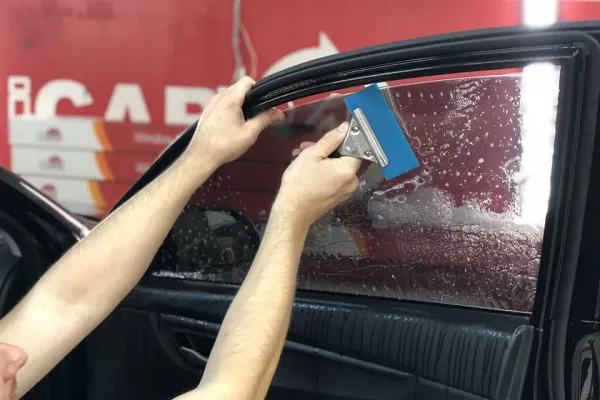
A good tint job changes how your car feels the second you get in on a hot day. At Midtown Glass Atlanta our installers hand-cut premium ceramic and carbon film for cars, trucks, SUVs, and EVs, then fit it inside our climate-controlled shop bays where dust and wind cannot ruin the finish. The result is a clean, bubble-free look and real heat rejection that keeps your dash, seats, and steering wheel from cooking while you sit in Tech Square or crawl down the Connector. We carry shades from a barely-there light film to a dark, private rear cabin, and we match the look to your car and how you drive it. More than seventy years in the Atlanta glass trade means we know which films hold their color through a Georgia summer and which ones turn purple by next spring. Every install stays inside Georgia tint law and carries a lifetime warranty. Stop by 510 Glen Iris Dr NE or call (404) 873-6991.
How film actually keeps your car cooler
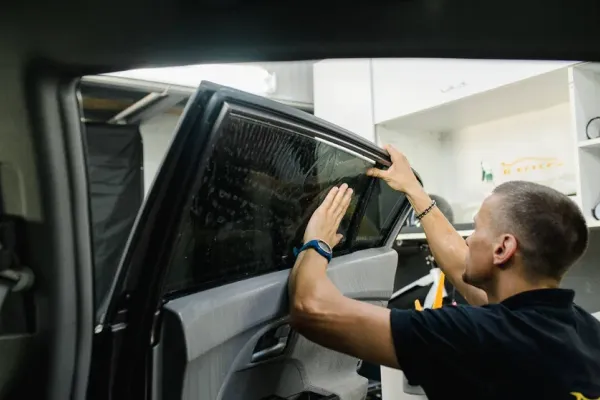
Heat gets into your car three ways, and the sun is the big one. Visible light, ultraviolet, and infrared all pass through clear glass, and infrared is what you feel as warmth on your arm at a stoplight. Quality window film blocks nearly all of the UV and a large share of that infrared energy, which is why a tinted cabin can run noticeably cooler than an untinted one parked beside it on the same Midtown street. Cooler glass means your air conditioning reaches a comfortable temperature faster and works less to hold it, which can shave a little off fuel use over a summer of commuting. Film also protects what is inside. UV is what fades dashboards, cracks leather, and bleaches the color out of seats over time, so blocking it helps your interior age slower and hold resale value. We install film that resists peeling and fading for years, fit by hand and cured properly so the look lasts. Call (404) 873-6991 to talk shades.
Ceramic, carbon, and dyed film compared
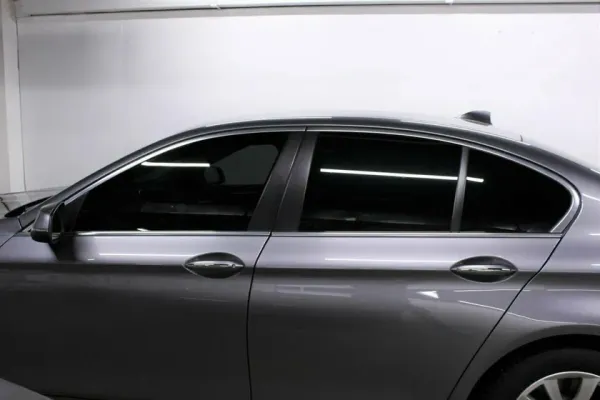
Tint is not one product, and the film you choose decides how the job performs. Dyed film is the entry option. It darkens the glass and blocks some heat, but it has no real infrared rejection, and the cheap stuff fades to a dull purple and bubbles after a couple of Atlanta summers. Carbon film steps up with carbon particles that give a deep matte black, strong UV blocking, and solid heat performance that holds its color for years, all at a friendly price. Ceramic film is the top tier. Its nano-ceramic layer rejects the most infrared heat, blocks 99% of UV, and stays optically clear, and because it carries no metal it never interferes with your phone signal, GPS, key fob, toll transponder, or a Tesla's cameras. Ceramic is the film we point EV and luxury owners toward, and it commonly lasts 15 to 20 years or more. Whatever film you pick, we cut it to a shade that keeps your front side windows above Georgia's 32% VLT line. Not sure where to start? Call (404) 873-6991 and we will match film to your car and budget.
Tinting trucks, SUVs, and the family hauler
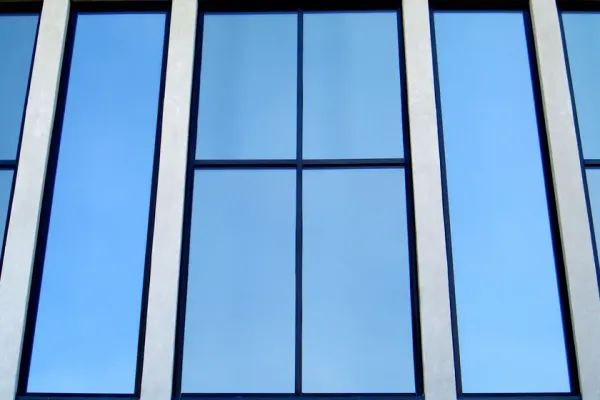
Bigger vehicles bake harder. A Tahoe, Suburban, Expedition, or a crew-cab F-150, Silverado, or RAM has far more glass than a sedan, so more heat lands on the back seats and whatever you are hauling. Many of these come with factory privacy glass, which is tinted into the glass itself on the rear windows, usually somewhere around 15 to 26% VLT. That privacy glass blocks very little heat on its own, so adding ceramic or carbon film on top is what actually cuts the temperature, and it can darken the look further if you want. Georgia law helps here. On SUVs, vans, and pickups the rear side windows and back glass can be tinted as dark as you like, while the front side windows still need to stay above 32% VLT. Our shop at 510 Glen Iris Dr NE has the bay room for full-size trucks and vans, and we can schedule several work vehicles together for a business running a small fleet. Call (404) 873-6991 for sizing and a quote on your truck or SUV.
Window Tinting FAQs
What does Georgia tint law actually allow?
Georgia sets a 32% VLT minimum, but the details depend on your vehicle. On a sedan, the front side, back side, and rear windows all have to let more than 32% of light through. On an SUV, van, or pickup, the front side windows still have to stay above 32%, but the rear side windows and back glass can be any darkness you want. The windshield only allows a non-reflective strip up top, above the AS-1 line. The law gives a few percent of tolerance and caps film reflectivity at 20%. Georgia does grant medical exemptions for darker tint if you carry the proper documentation. We measure VLT on every car so your install passes a traffic stop.
What does car tinting cost in Atlanta?
Most full-vehicle tint jobs at Midtown Glass Atlanta land between $150 and $400 or more. The price moves with how many windows you are doing, the vehicle size, and the film you choose. A coupe with two front windows costs less than a full SUV with wraparound rear glass. Carbon film is the friendlier premium option, while ceramic costs more upfront and earns it back with stronger heat rejection, no signal interference, and a 15 to 20 year lifespan. We quote your exact car for free. Call (404) 873-6991.
Is ceramic film worth more than standard tint?
For Atlanta heat, usually yes. Standard dyed tint darkens the glass but does little against infrared, and the budget versions fade and discolor. Ceramic film uses a nano-ceramic layer that turns away a large share of solar heat, blocks 99% of UV, and stays crystal clear with no metal to interfere with your phone, GPS, or radio. It also resists fading and lasts far longer than dyed film. You pay more at install, but on a car that bakes in the sun all day you feel the difference every time you get in.
How long does a tint job take, and when can I roll the windows down?
Plan on two to four hours at our shop for a full vehicle, a little less for a sedan and a little more for a large SUV with complex rear glass. The bigger thing to know is curing. Once the film is on, trapped moisture needs a few days to evaporate, so you may see slight haze or tiny water pockets at first. That is normal and clears on its own. Leave the windows up for the first three to five days while the film bonds, and skip ammonia cleaners after that.
Will tint mess with my GPS, phone, or toll pass?
Only metalized film does that. Older reflective films use a thin metal layer that can weaken cell signal, GPS, radio, and toll transponders. The ceramic and carbon films we install carry no metal, so your electronics work exactly as before. That matters even more on EVs and newer cars that pack antennas, cameras, and sensors near the glass. We steer drivers toward ceramic specifically so heat rejection never comes at the cost of signal.
How many years will the tint last?
It comes down to film quality and the install. Ceramic film commonly runs 15 to 20 years or more. Good dyed film lasts around 5 to 10. The cheap film from a discount shop may start bubbling or fading inside a couple of years. A clean install matters too, since proper prep and a dust-free bay keep edges from lifting early. We use premium film, install it in our controlled shop, and back it with a lifetime warranty. Steering clear of ammonia glass cleaner helps it last.
Can old tint be taken off?
Yes, though older, sun-baked film fights back harder than newer film. We heat the film to loosen the adhesive, peel it, and clean every trace of glue off the glass so a fresh install bonds correctly. Doing that by hand at home usually leaves a sticky haze and scratches. If you are re-tinting, we handle removal first as part of the job. Standalone removal generally runs about $50 to $150 depending on the windows and how stubborn the old film is.
Does tint really keep the car cooler?
Noticeably, yes. Ceramic film can turn away a big share of the solar heat coming through your side and back glass, so the cabin does not climb the way it does on bare glass. A car parked on a surface lot near the BeltLine can pass 130°F inside on a clear July day, and film keeps it well under that. You feel it in a cooler steering wheel, a dash that is not scorching, and an AC that stops fighting so hard. Carbon film helps too at a lower price, with ceramic giving the strongest result.
Book Your Car Tint at Our Midtown Shop
Cooler seats, less glare, and a dash that survives the Georgia sun. Midtown Glass Atlanta installs ceramic and carbon film on cars, trucks, SUVs, and EVs at 510 Glen Iris Dr NE, every shade kept legal under Georgia law and covered by a lifetime warranty. Free estimates, no pressure.