Windshield Repair in Atlanta, Chips and Short Cracks from $49
Something came off a haul truck on the Downtown Connector and left a star the size of a dime. That is a $49 resin repair today and a windshield next month, and the difference is mostly how long you wait. Midtown Glass Atlanta does chip and short crack repair at 510 Glen Iris Dr NE, one block off Ponce de Leon Ave, and there is no adhesive curing afterward, so the car is ready as soon as the resin is. Hand over the keys and go: Ponce City Market, Historic Fourth Ward Park and the Eastside BeltLine Trail all start within a few minutes' walk of the door. We repair bullseyes, star breaks, half-moons and combination chips, plus short single-line cracks that keep away from the edge and out of the zone the driver looks through. Damage that is too long, too close to the edge, sitting over the camera, already contaminated, or straight in your view is a replacement instead, and you hear that from us before any money changes hands. Open Monday to Friday, 8am to 5pm. Call (404) 873-6991 or see the whole auto glass menu.
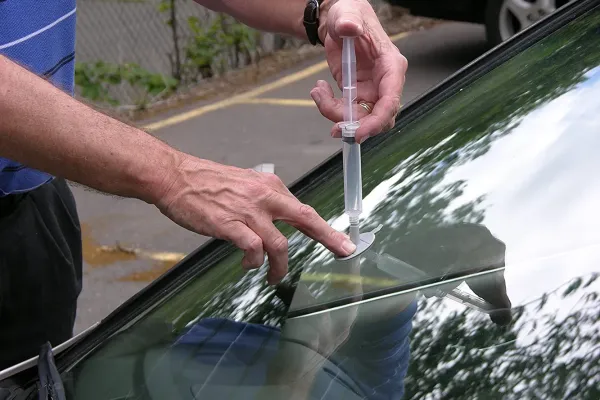
A chip has a short clock, and this city runs it down quickly
A repair is not a patch. A windshield is two layers of glass over a plastic interlayer, and a chip is a void where the outer layer broke and trapped air. Pull that air out under vacuum, push acrylic resin into the pit and along every leg under pressure, cure it hard under a UV lamp, and the break is bonded shut. It stops traveling, the glass carries its load again, and you keep the factory bond that was set on the assembly line, which no replacement can give back to you.
The reason to move quickly is the weather here. A chip picked up on the Connector in July sits in glass that heats all afternoon against a dark dash while the air conditioning blows cold on the inside face. The two surfaces expand at different rates, the legs creep, and one morning the star has become a line. Then the first hard freeze of the winter arrives, the glass contracts, and whatever was still holding gives up. Moisture and road grit work into an open break the whole time, and once a leg is dirty the resin cannot bond cleanly, so a chip that was repairable in June is new glass by February.
Intown drivers collect them faster than most. Gravel travels off work zones and haul trucks on the Downtown Connector, loose aggregate sits on freshly repaved intown streets and around the construction on the BeltLine corridor and through West Midtown, and cars parked overnight under the oak canopy in Virginia-Highland or Inman Park take acorns and small limbs through every storm. Bring it in early and $49 is the whole story.
What repairs, and what honestly does not
Four things decide it, and we read all four before quoting anything.
- Size: a bullseye, star or combination break up to about a quarter, and short single-line cracks (starburst or spiderweb damage past three inches by three inches is also over the line in Georgia law)
- Location: at least two inches in from the edge, where the glass carries structural load, and outside the driver's viewing zone
- Contamination: a break that has been open for months and filled with grit and water will not take resin cleanly
- The camera: damage sitting in front of a forward-facing camera is a replacement question, not a repair question
Resin chosen for the break in front of us
Different damage wants different resin. A hairline star needs something thin enough to wick down legs you can barely see; a deep bullseye pit wants a heavier grade that fills without shrinking back. Both cure clear, bond to the glass and the interlayer, and seal out the moisture and grit that make a break start moving again the next time the temperature swings.
Vacuum first, then pressure, then cure
The order matters more than the equipment. Clean and dry the break, seat the injector over the pit, pull a vacuum to evacuate the trapped air and any moisture in the legs, then reverse it and drive resin in under pressure until the void is full. Cure it under UV, shave the surface pit level, polish. Skip the vacuum step and you are sealing air inside the glass, which is why cheap repairs cloud.
What a repair does not promise
Most of the clarity comes back and a clean bullseye is usually hard to find afterward, but a faint scar or a small point of refraction can remain, and we say so before we start rather than after. The structural half is the part that counts: the break is bonded, sealed and no longer spreading. If we do not think a repair will hold, we will tell you and quote the glass instead.
Repair while you wait, in a neighborhood worth waiting in
No cure time means no reason to leave the car overnight
A replacement puts you on the clock: the urethane has to reach strength before the car is safe to drive. A resin repair has none of that. Once the resin is cured under the lamp and the pit is polished flush, the windshield is finished and you drive off.
That is what makes this address useful. Drop the car at 510 Glen Iris Dr NE, walk one block up to Ponce de Leon Ave, and you are already at Ponce City Market. Historic Fourth Ward Park is on the other side of the block. The Eastside BeltLine Trail runs right past both, and North Ave MARTA is a short walk west if you need to keep going. Most people book a morning slot, take the walk, and come back to a finished windshield.
Repairs start at $49. We are open Monday to Friday, 8am to 5pm. Call (404) 873-6991 to hold a slot.
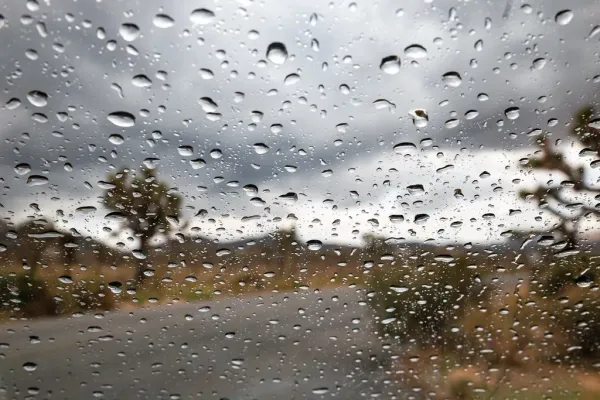
Chip repair at your building, and the one thing that stops it
Resin travels better than a windshield does
A chip repair does not need a bay. It needs a dry break, a bit of shade and a few minutes, so our mobile techs handle chips at homes, office decks and condo garages across Midtown, Downtown, Old Fourth Ward, Inman Park, Poncey-Highland, Virginia-Highland and out to Buckhead, Decatur, Brookhaven and Sandy Springs. A deck level that is dry and covered is a fine place to work, and unlike a replacement there is no clearance problem, because nothing large has to be lifted.
The catch is water. The break and its legs have to be completely dry or the resin will not key into the glass, and the repair clouds or lets go. Rain means finding cover or moving the appointment. Damp glass means the tech dries it thoroughly first. Event days are the other variable, since a convention at the Georgia World Congress Center or a festival crowd in Piedmont Park stretches every arrival window across intown. Booking the shop instead sidesteps both. Call (404) 873-6991.
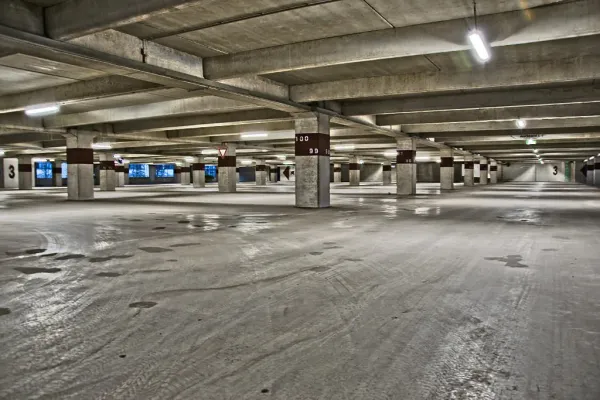
The repair, step by step
What we do to a star break, in order
- Read the damage under good light and confirm it is still a repair, not a replacement
- Clean and dry the break and mask the area so nothing contaminates the bond
- Seat the injector bridge over the pit
- Pull a vacuum to draw trapped air and moisture out of every leg
- Reverse to pressure and drive resin into the void until the legs fill
- Cure the resin hard under a UV lamp
- Shave the surface pit flush and polish it back
- Check the result from the driver's seat, where it actually matters
A repair does not move the forward-facing camera, so nothing needs recalibrating afterward. That is one more reason to catch damage at the chip stage: a replacement on a camera car adds $150 to $400 for calibration on top of the glass. Call (404) 873-6991.
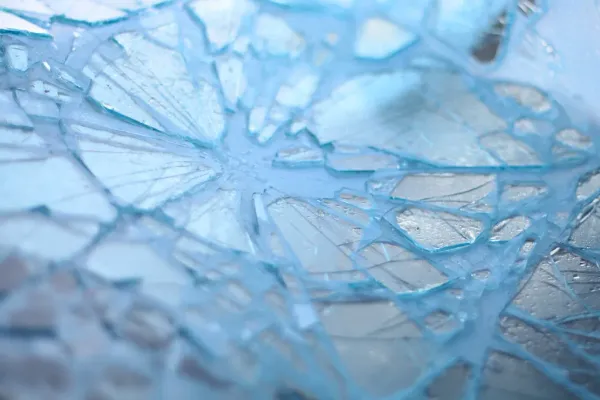
Chip and Crack Repair FAQs
What does a chip repair cost?
Repairs start at $49. Additional chips on the same windshield are cheaper than the first, since the setup is already done. Set that against a replacement starting at $199, plus $150 to $400 for camera recalibration if your car has one behind the glass, and the arithmetic makes itself. We look at the damage and give you the number before anything is touched. Call (404) 873-6991.
Which chips can you actually repair?
Bullseyes, star breaks, half-moons and combination chips up to roughly the size of a quarter, plus short single-line cracks, as long as the damage sits clear of the glass edge and out of the driver's direct line of sight. Damage over a forward-facing camera, damage that reaches the structural edge, or a break that has been open long enough to fill with grit and water is a replacement. We read it under good light and say which one it is.
Why does a chip spread so fast in Atlanta?
Temperature difference across the glass. On a July afternoon the outer face bakes while the air conditioning chills the inner face, the two surfaces move at different rates, and the legs of a star creep a little further each day. Then the first hard freeze of the winter contracts everything at once and finishes the job. Add a pothole or a rough patch of repaved street and a chip that looked stable becomes a line across the glass.
Do I have to wait before driving after a repair?
No. There is no adhesive setting up, so once the resin is cured under the lamp and the pit is polished the windshield is finished. That is the practical difference between a repair and a replacement, where safe drive-away time typically runs one to four hours. Most people leave the car with us, walk up to Ponce City Market or out onto the BeltLine, and pick it up ready to drive.
Will the chip disappear completely?
Most of the clarity comes back, and a clean bullseye is usually hard to spot afterward unless you know exactly where to look. A faint scar or a small point of light refraction can remain, particularly on an older break or a wide combination chip, and we tell you that before we start. The structural job is the one that counts: the break is bonded, sealed and no longer traveling.
The chip is right in front of my camera. Does that change things?
Yes. A forward-facing camera reads the road through a specific patch of glass, and resin in that patch can change what it sees. Damage sitting in the camera's view is a replacement question rather than a repair question, and we will not talk you into resin there. A repair elsewhere on the glass does not move or affect the camera at all, so nothing needs recalibrating.
Does insurance cover chip repair?
Sometimes, and we check before we start. Georgia has no law that waives your glass deductible. Some comprehensive policies do waive it on chip repair, and a few carriers sell optional full glass coverage as a rider. We read your policy first and tell you what you will actually owe, then bill State Farm, GEICO, Progressive, Allstate, Liberty Mutual or USAA directly. A comprehensive glass claim is generally handled as no-fault.
How long can I leave it before it is too late?
There is no fixed deadline, which is exactly the problem. A chip is stable right up until it is not, and it usually goes on a hot afternoon, a cold morning or a hard bump. Two things close the window permanently: the crack reaching the edge or the driver's view, and dirt and water getting far enough into the legs that resin will not bond. Bring it in the same week and both are still a long way off. If you drive for Uber or Lyft, our rideshare windshield guide explains why a chip matters more on a driving day.
Damage Assessment
4 questions · instant result
What type of damage do you see?
Fix it at $49 while it is still a chip
Chip and short crack repair at 510 Glen Iris Dr NE, one block off Ponce, with no cure time to wait out. Leave the car, walk the Eastside BeltLine Trail, come back to finished glass. Monday to Friday, 8am to 5pm. Insurance read before we start and billed direct.